
The Stories We Tell Our Soldiers

The A.S.K. Stereotype is playing out in real time.
When Pete Hegseth stood at Quantico and told America’s generals to “reawaken the warrior spirit,” he wasn’t breaking new ground. Progressives have been telling me the same thing for years: that to serve America is only—and exclusively—to kill. When I disagreed, when I insisted that my service was larger than the cage so-called "progressives" built for me, I was made an exile. The All Soldiers Kill (A.S.K.) stereotype has become reality because both sides of the political aisle insist, despite themselves, that it’s true.
Hegseth’s Patton-wannabe posturing—rebranding the Pentagon as the “Department of War,” mocking “fat generals,” bragging about budgets—simply makes explicit what the left prefers to whisper. Since the day I enlisted, I’ve been called a killer by the country I served. If today’s chickens are running wild, it’s because they were never given a roost. America stripped away the homecoming its soldiers needed and then feigned surprise when we wander, restless and broken.
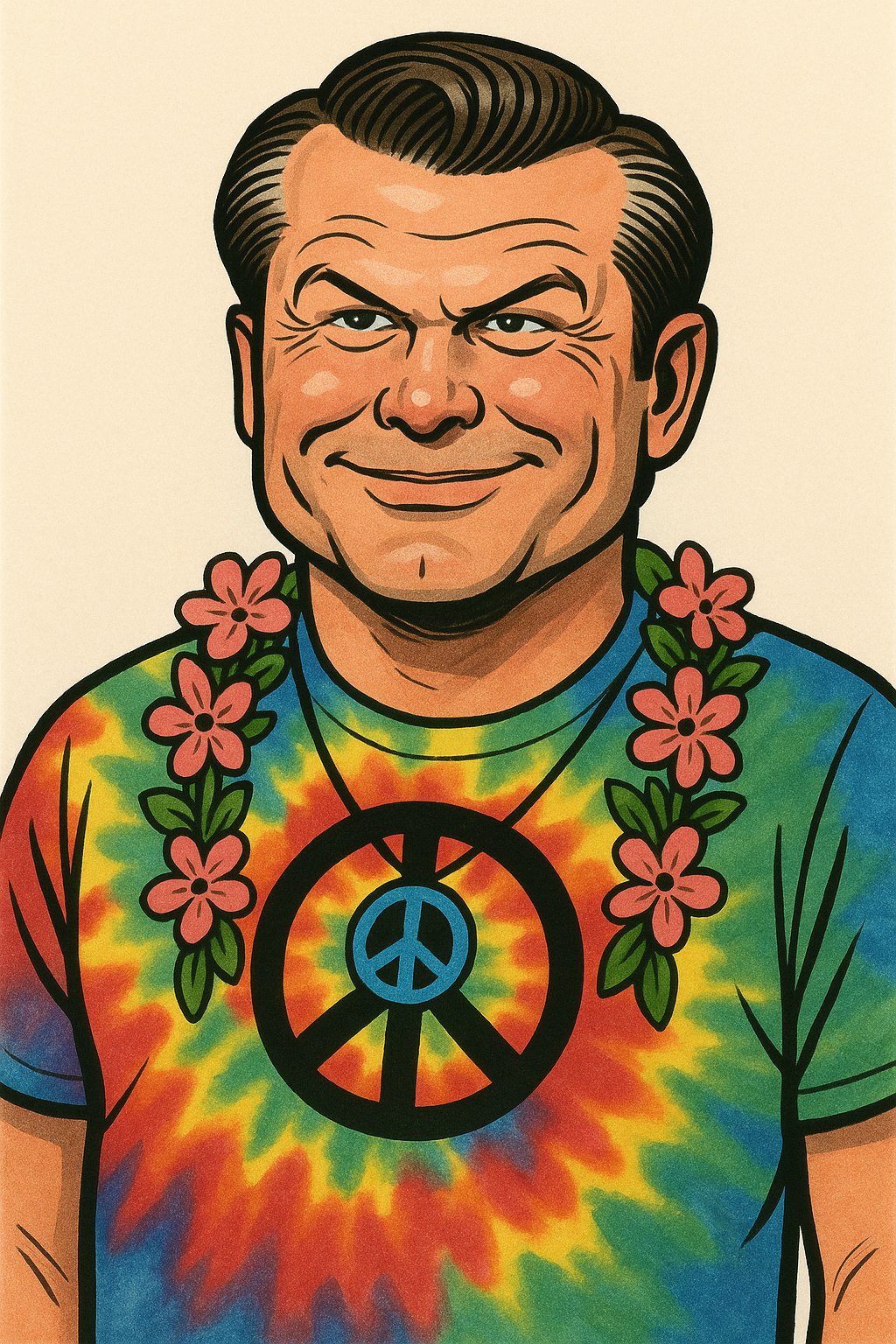
Two veterans just committed atrocious mass shootings in Michigan and North Carolina. The headlines were fast to note their military service, as though that alone explained the violence. I don’t accept that story. If veterans are unraveling, it’s because America has given us no other story in which to find shelter. You can only play the part society writes for you for so long before the script itself becomes a curse.
A nation that insists its military is either the Savior or the Disorder is a nation unwilling to tell the truth about itself.
That’s why Tolkien matters more than people realize. He was honest about the mud and the trauma of war, and he made beauty from it. His Faerie was not an escape but a reckoning, written for adults, insisting that recovery and wonder are possible. Lewis, by contrast, grew more cagey about his own combat experience. In the run-up to World War II, his fiction drifted upward into otherworldly allegory, away from the soil, away from the scars. His books became more popular, but they also modeled a kind of dissociation—an adult pretending the war was long behind him.
Stories shape us. America has offered its soldier-servants two mutually exclusive roles: all-good heroes or all-evil monsters. Civilians cannot claim surprise when veterans act accordingly. A nation that insists its military is either the Savior or the Disorder is a nation unwilling to tell the truth about itself.
Veterans are not aberrations. Trump is not an aberration. We are the product of the stories America tells about itself, and when those stories collapse into contradictions, the people asked to embody them will collapse too. We are the bed America made. The question is whether anyone is willing to lie down in it, or whether we’ll keep pretending it was someone else’s mess.
The work before us isn’t to “reawaken” warriors but to recover storytellers. To remember that service can be more than killing. To build space-times for soldiers who refuse to live as monsters and aren't grasping at heroism. To offer a third way beyond the cage. If we don’t, the next headline is already waiting to be written.